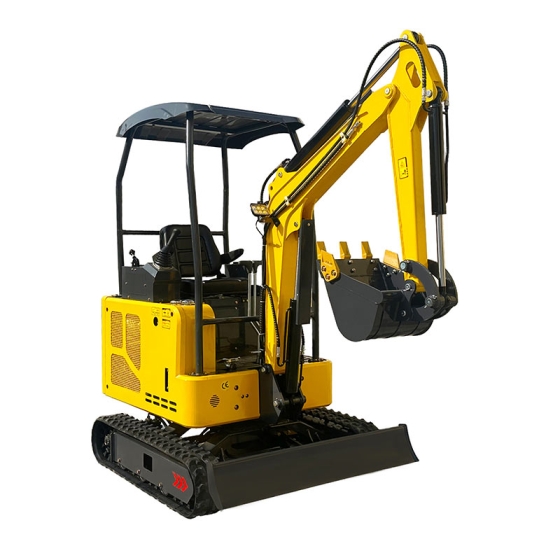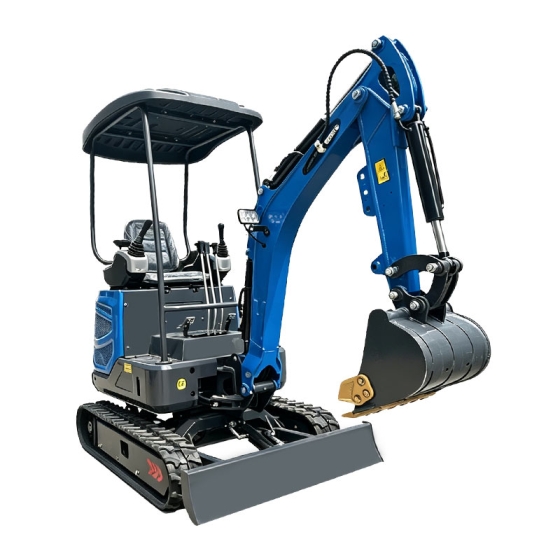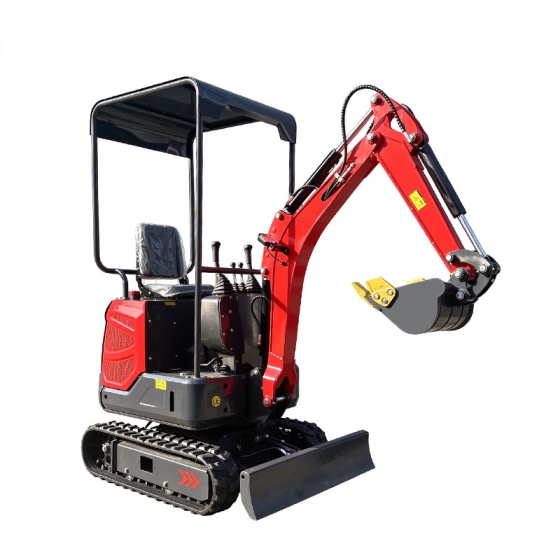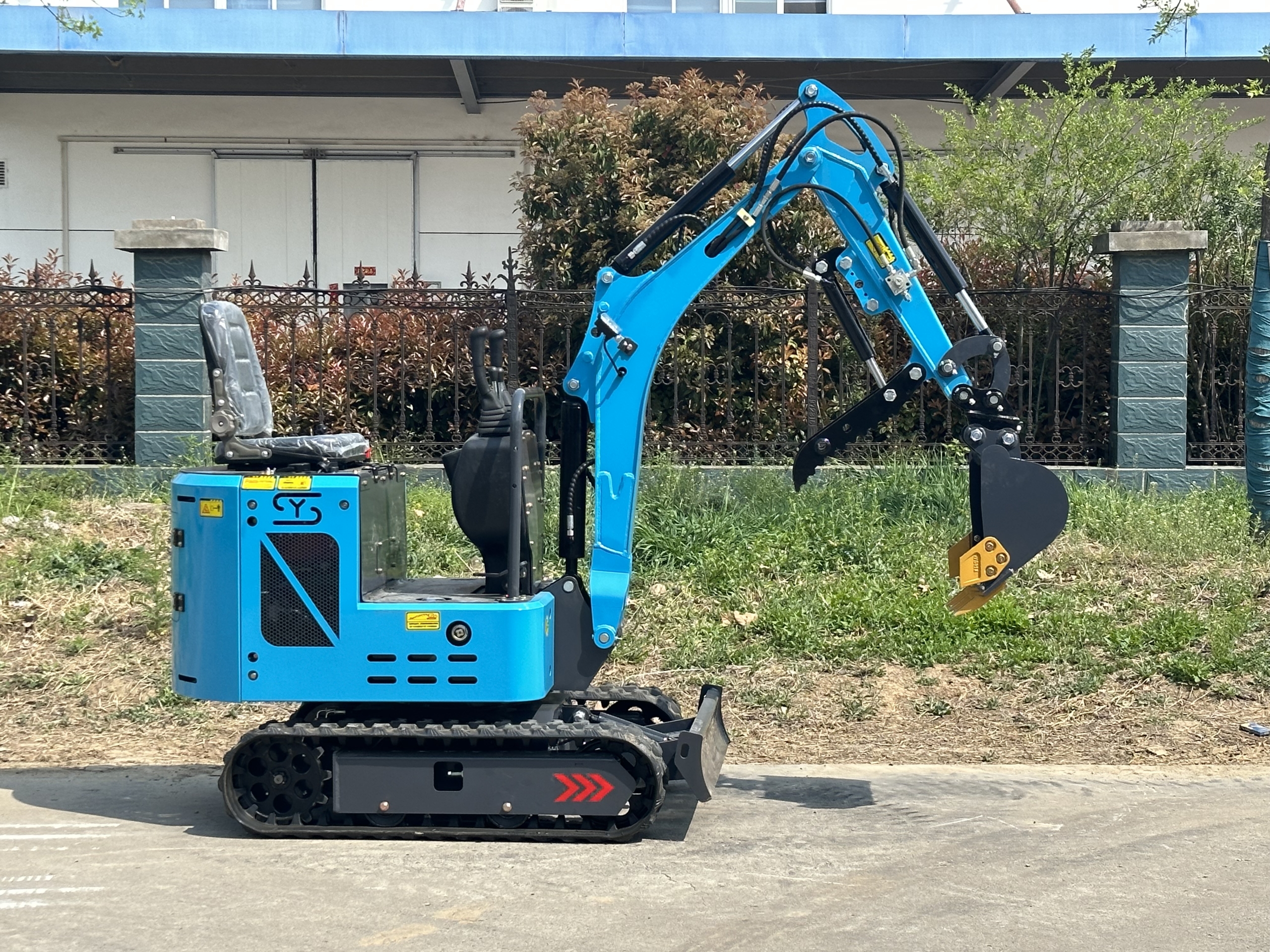
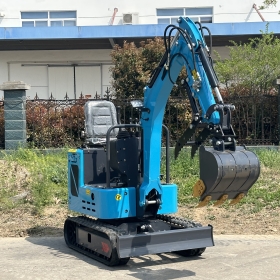
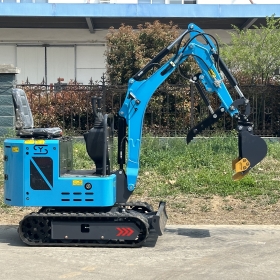
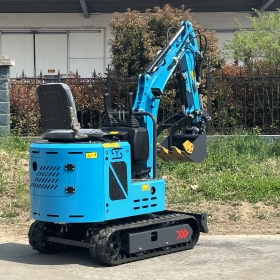
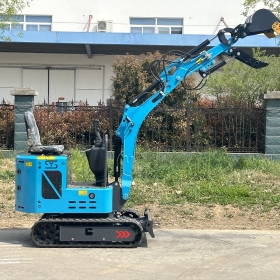
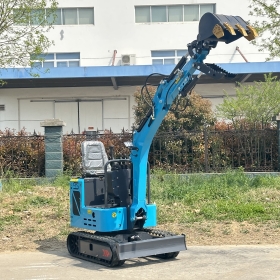
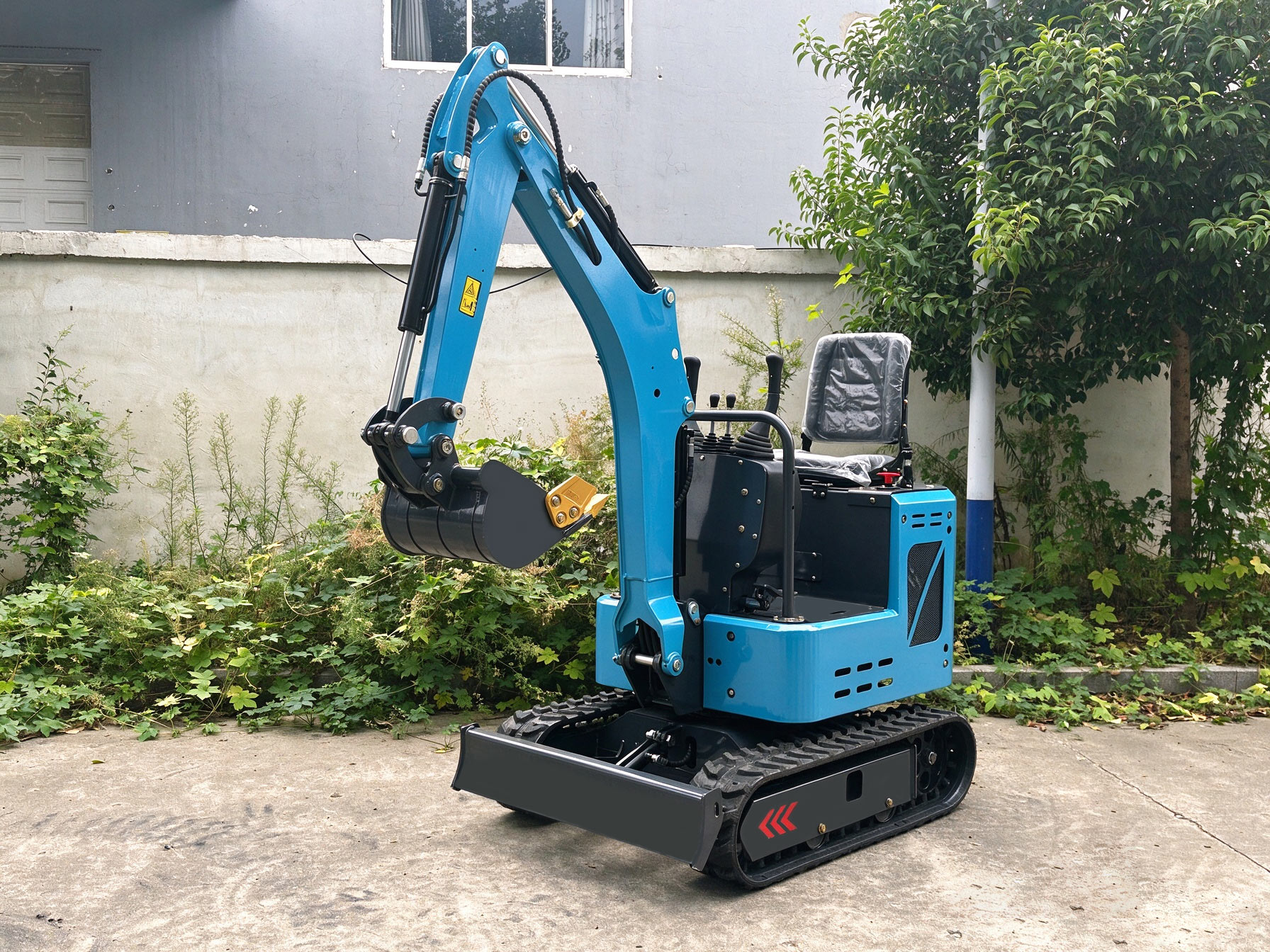
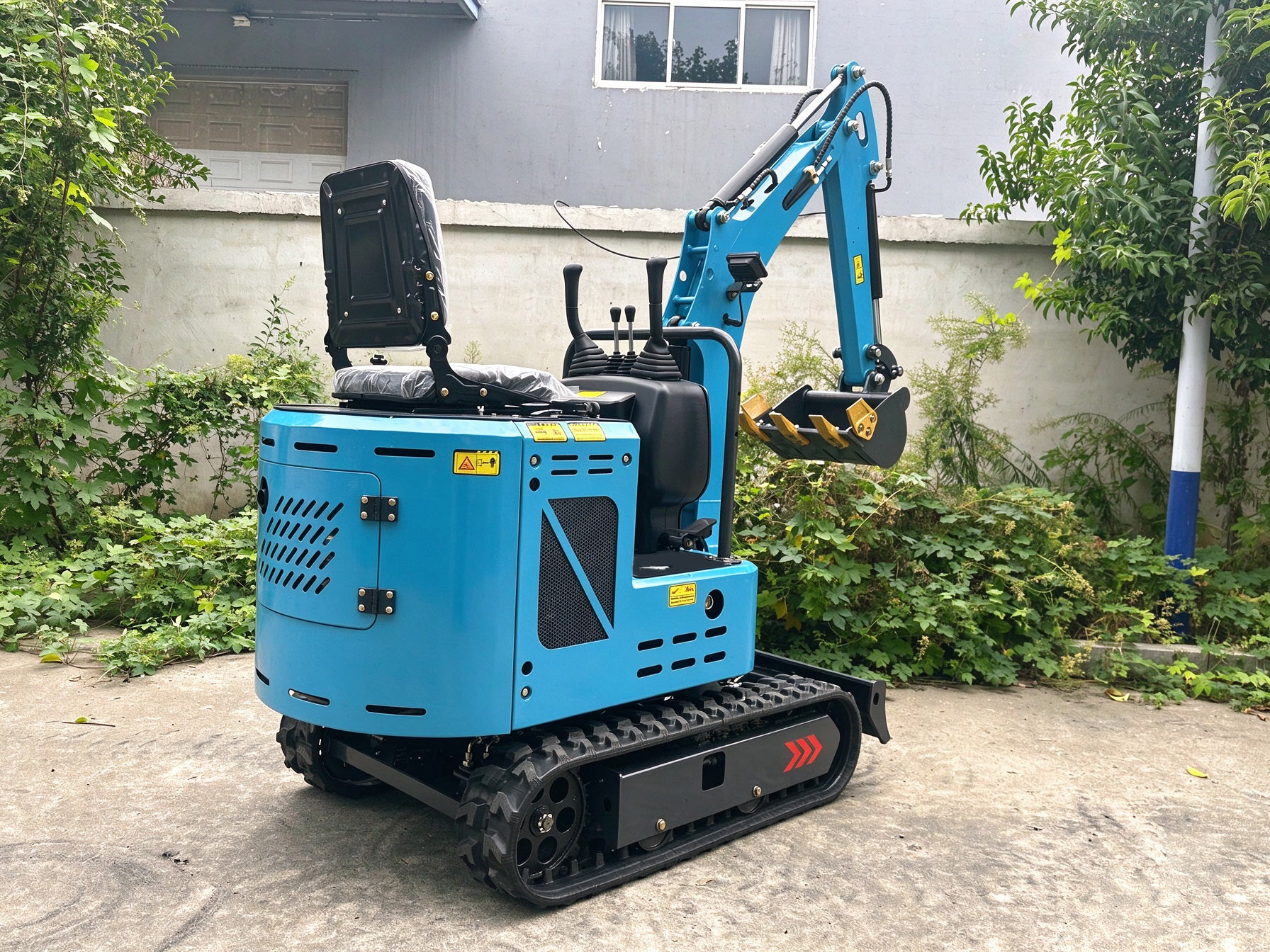
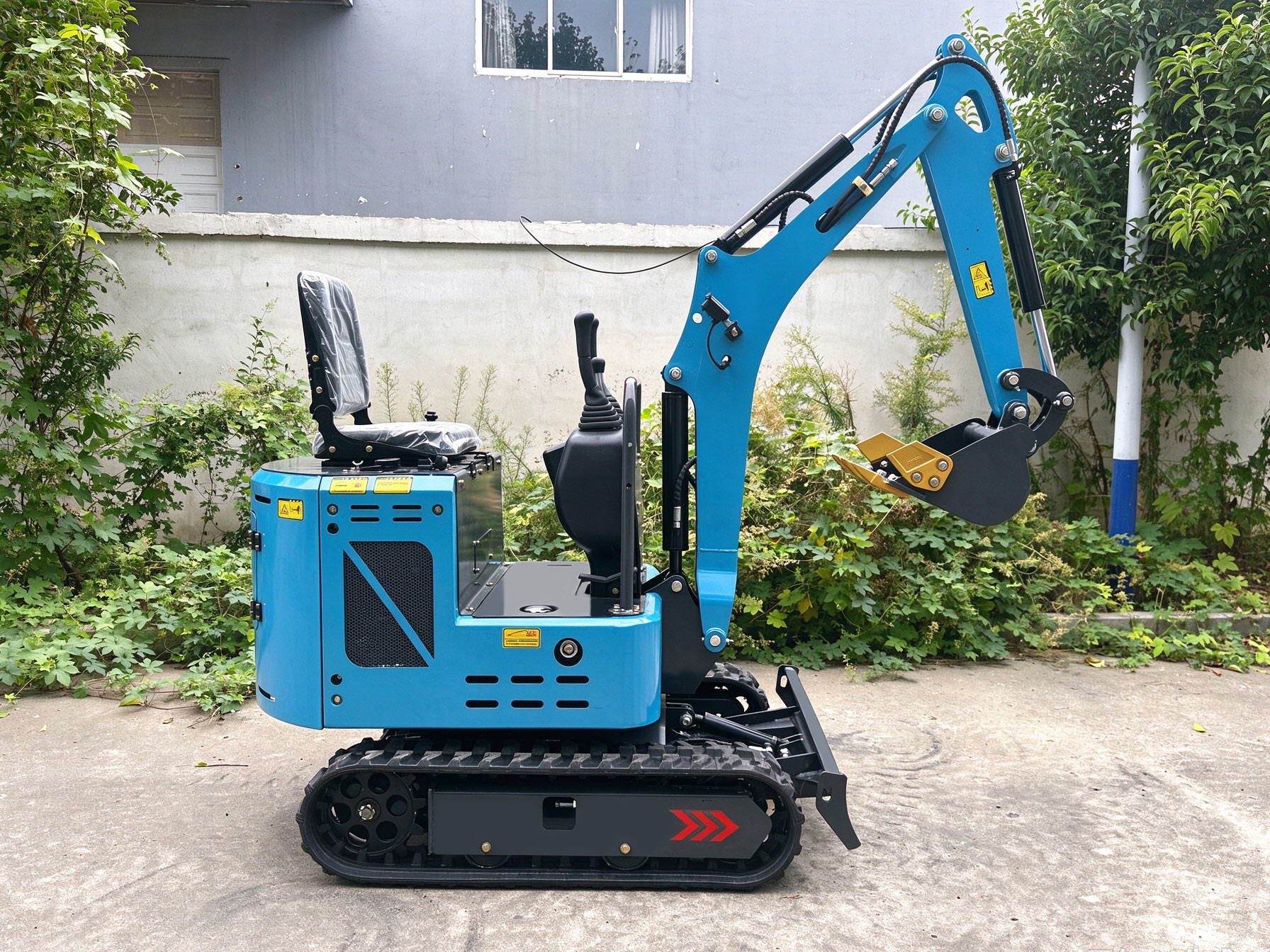
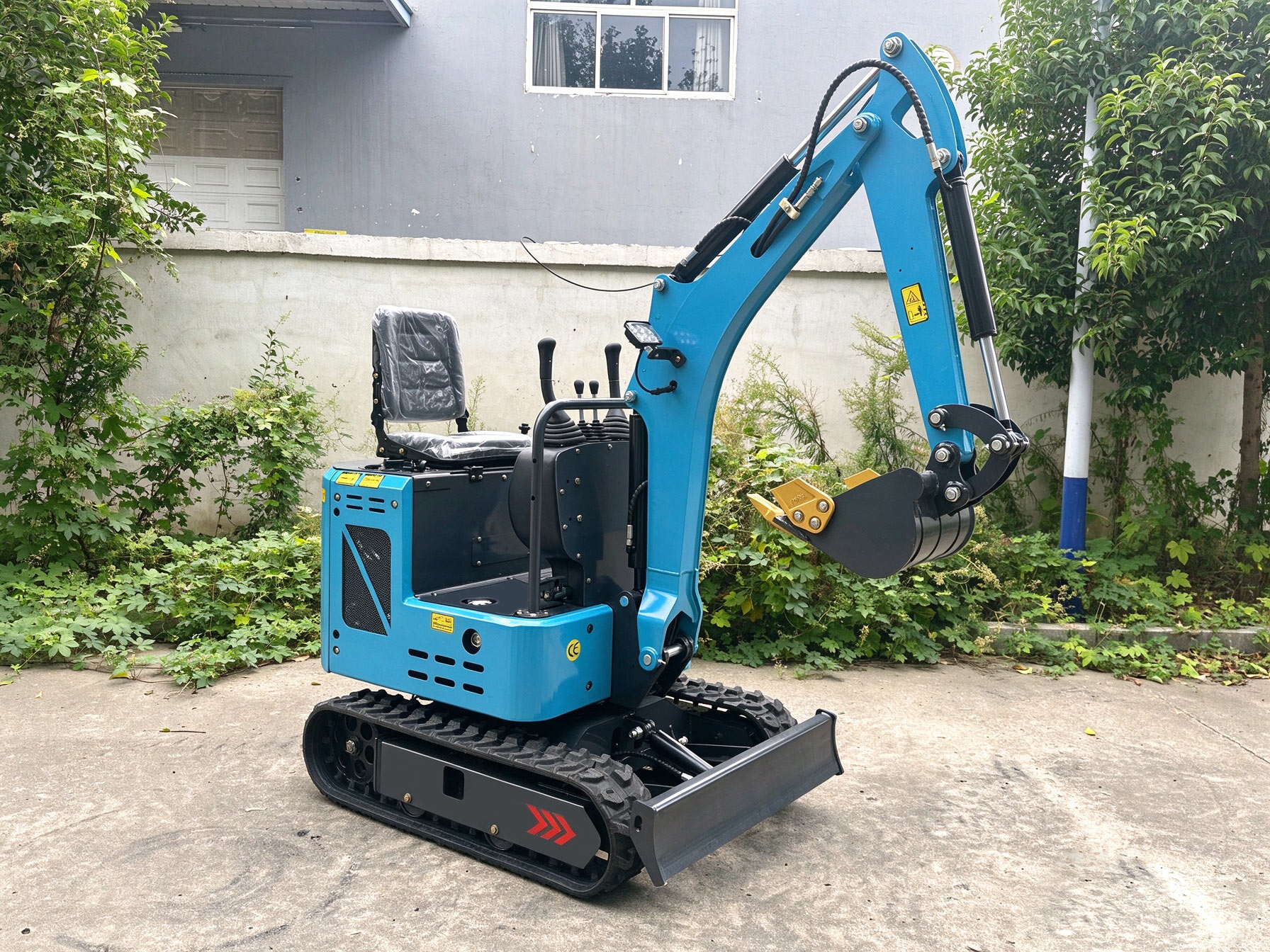
Product Introduction of the Model 12 Mini Excavator With the global trend towards more refined engineering construction and miniaturized construction scenarios, the demand for operations in confined spaces where large machinery cannot access continues to grow. The Model 12 mini excavator, a 1.2-ton class micro-engineering equipment, has become a popular choice in overseas municipal renovations, landscaping, agriculture, interior construction, and civil infrastructure projects thanks to its extremely compact design, stable and reliable performance, multi-functional expandability, and high economic efficiency. This model precisely addresses the pain points of large equipment being unable to enter the site, low efficiency of manual construction, and high costs. With its “small size, big power” characteristics, it has become a core piece of equipment for small-scale construction scenarios worldwide, and is highly recognized by overseas engineering contractors, growers, rental companies, and private owners.
I. Overall Design: Extremely Compact, Balancing Ability and Stability
This model generally adopts a short-tail/tailless slewing design, ensuring the tail section does not exceed the track width during slewing. In scenarios such as wall excavation, corner construction, indoor demolition, and greenbelt operations, this effectively prevents collisions with walls, trees, and obstacles, significantly improving construction safety and reducing equipment and site wear. Simultaneously, the low center of gravity and reasonable ground contact area, combined with a reinforced frame design, reduce the likelihood of tipping over when operating on complex terrains such as slopes, soft soil, and fields, ensuring continuous construction safety. The machine features a streamlined design with a wear-resistant and corrosion-resistant paint finish, balancing practicality and industrial aesthetics, meeting the dual demands of overseas markets for equipment aesthetics and durability.
The parameter design balances digging capacity and flexibility, meeting basic operations such as small foundation pit excavation, ditch construction, and land leveling, while also enabling precise construction, adapting to various lightweight engineering needs overse